
Do you often find yourself booking it to the Target restroom, hoping you’ll get there in time? Do you avoid a group exercise class you once loved for fear of a leak? Or, on a more serious note, are you experiencing marital problems rooted in a sex life that has become too painful to bear?
If you’ve had a baby, chances are you’re familiar with at least one of these symptoms. The National Institutes of Health recently reported that up to half of women in the U.S. experience pelvic floor disorders, but many of us moms don’t make caring for ourselves a priority until an issue seriously impacts our quality of life.
Many women just chalk up those things to the price of childbirth or simple aging, but it turns out there’s a lot you can do proactively to improve your health in this area. Beyond helping you control your bladder and bowels, strengthening your pelvic floor can help improve your sex life and even the intensity of your orgasms. (Yes, really!)
RELATED: How to Help a Friend Dealing With Postpartum Depression
What exactly is the pelvic floor?
The muscles and connective tissues that make up your pelvic floor hold your bladder, rectum and uterus in place, with openings for the urethra, vagina and anus. “We often describe the pelvic floor as a group of muscles that form a hammock at the base of your pelvis,” says Dr. Mira Pearce, a doctor of physical therapy at the Center of Pelvic Excellence (COPE) Physical Therapy & Wellness in Dallas and McKinney.
Those muscles work with other core muscles such as your abdomen, back and diaphragm as you do things like lift a child, or even cough or laugh—without doing things you don’t want to do, like leaking. “A healthy pelvic floor is crucial for controlling bladder and bowel functions, sexual health and providing core stability,” Pearce says. “When the pelvic floor is strong and functional, it contributes significantly to your overall well-being and quality of life.”
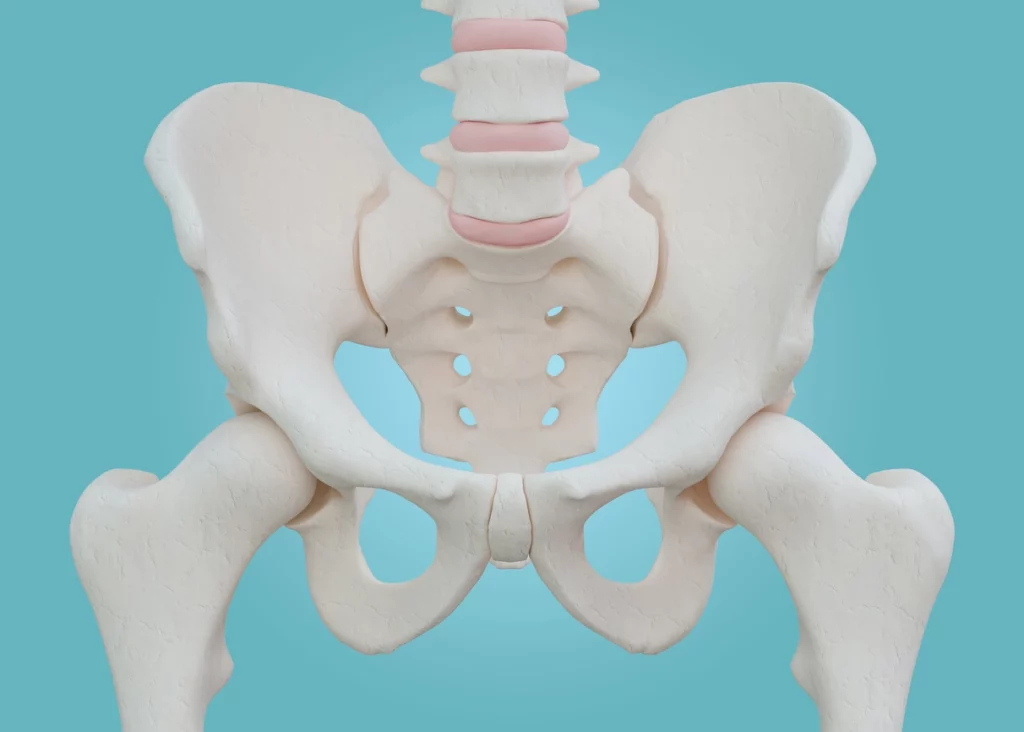
Those muscles should be powerful enough to stabilize your core, but flexible enough to relax. A healthy pelvic floor allows you to squeeze and control the passages that prevent waste from escaping your body, or to relax those same muscles to allow you to pee, poop or pass gas only when you choose to. Plus, they help with blood flow and vaginal contractions during sex, orgasm and even during a vaginal delivery.
What are signs of pelvic floor issues?
While age, genetics, obesity and even chronic constipation and other health conditions such as diabetes rank among the risk factors for pelvic floor disorders, many women start experiencing symptoms after having a baby, especially those who had a vaginal delivery. Pregnancy and childbirth can stretch and strain the pelvic floor muscles, sometimes leading to weakness or injury. But after childbirth, a healthy pelvic floor is vital for recovery and can help to prevent a myriad of issues.
“During pregnancy, the pelvic floor undergoes significant stress as it supports the growing baby. A strong pelvic floor can better handle the increased pressure, reducing the risk of incontinence, pelvic pain, and other complications,” Pearce says.
Many new mamas will recognize the telltale signs and symptoms of what’s commonly referred to as incontinence. There’s stress incontinence, which is pee trickling out when you’re laughing with girlfriends, maybe taking a barre class, or while you’re coughing, sneezing or hefting a heavy object or even a child. This is a muscle problem, mostly caused by muscles stretching during pregnancy and labor to the point they’re too weak to close the urethra, the door to your bladder. So anytime there’s pressure on the bladder, urine leaks out.
There’s also urgency incontinence, when you’re not able to make it to the bathroom and feel you need to go frequently, which is a problem with your bladder. There’s also fecal incontinence that causes loss of control when it comes to passing gas or poop, often caused by damage to the anal sphincter muscles or nerves, sometimes caused by a bad tear or injury during childbirth. And in urinary retention, often seen in moms who had a catheter or epidural during delivery, your bladder doesn’t feel the urge to urinate, becomes too full, stretching the nerves, which leads to problems emptying your bladder.
Another condition is known as hypertonic pelvic floor in which the pelvic muscles continuously contract causing painful symptoms including difficulty with peeing, pooping and sexual activity. Pain with sex is known as dyspareunia and could be caused injured tissues or muscles or even dryness brought on by hormones or breastfeeding.
Plus, there are more serious cases such as those involving pelvic organ prolapse, when an organ, such as the uterus, cervix or rectum, in the pelvis slips down into—or even out of—the vagina and causes a bulge.
RELATED: Mommy Burnout Part 1: Why Moms Are So Overwhelmed
When to seek a pelvic floor specialist
For Janine, a mom who lives north of Dallas and preferred to use only her first name, urinary frequency and pain, like what’s associated with a urinary tract infection, led to months of specialists, misdiagnoses and medications. Finally, she sought the care of a women’s health nurse practitioner, Christina Hicks, who specializes in urogynecology at UT Southwestern (UTSW) in Dallas. “She was the first practitioner, after several others, who recommended pelvic floor therapy,” says Janine, who had been suffering with a hypertonic pelvic floor.
Because UTSW is a significant distance from her home, she began to research a local provider and discovered COPE. Hicks helped her choose Dr. Ijeoma Nwankpa, a doctor of physical therapy and the owner and founder of COPE, because she had all of the specializations needed.
“As someone who prides myself on being knowledgeable about women’s health, I’d never heard of a pelvic floor specialist before COPE,” Janine says. There, she learned her condition was quite common and treatable.
So how do you know if you could also benefit from professional help? “Whenever you feel like something is not right, you should seek evaluation,” says Dr. María Florián-Rodríguez, a urogynecologist who runs the PETAL program at UTSW. PETAL is an acronym for Pelvic Floor Evaluation and Treatment Around Labor and Delivery at the Female Pelvic Medicine and Reconstructive Clinic.
“The PETAL program is aimed at pregnant and women who are up to one year postpartum who are experiencing pelvic floor issues, such as urinary incontinence, or just want to learn more about their pelvic floor and what can they do to help prevent issues in the future,” Florián-Rodríguez says, noting that the care is personalized and judgement-free, and new moms often show up with their baby in tow.
But you don’t have to wait until after delivery to work on your pelvic health. Even during pregnancy there are things you can do to protect the pelvic floor. “Stretching and breathing exercises are helpful in learning how to coordinate the diaphragm and pelvic floor muscles to prepare for pushing during delivery. Yoga and perineal massage improve the flexibility of the pelvic floor and can help limit the risk of vaginal tears,” Florián-Rodríguez says.
Then after pregnancy, pelvic floor muscle exercises help with recovery of those muscles and can treat and help prevent the onset of pelvic floor disorders.
Whether or not your condition is rooted in pregnancy, labor and delivery, if you think you need care, you can start with your primary care physician or gynecologist, or a provider such as a urologist, urogynecology or OB-GYN with a certification in Female Pelvic Medicine and Reconstructive Surgery (FPMRS). The important thing is to find a provider skilled in this particular area.
Healing the pelvic floor
Physical therapy is a cornerstone of treatment for pelvic floor disorders. “That may include exercises like Kegels, guided by biofeedback to ensure proper technique. We may also use tools like vaginal pessaries to support the pelvic organs or suggest lifestyle modifications to reduce strain on the pelvic floor,” Nwankpa says. “In some cases, surgery might be necessary, but our goal is to strengthen and rehabilitate the pelvic floor to restore function and improve quality of life without invasive procedures when possible.”
As for physical therapy, Florián-Rodríguez says, “Oftentimes, it involves internal work, which can be intimidating, but it is definitely helpful. The therapist might use other modalities like electrical stimulation, dry needling, and biofeedback as part of the exercises.”
Janine says her treatment plan has truly been a collaborative effort. “It consisted of a mix of pelvic floor work, at-home exercises and dry needling,” she says, noting that she’s an active participant in her healing and the maintenance of her condition.
Treatment Options
For most, healing the pelvic floor doesn’t have to be complicated. For urgency incontinence, behavior modifications can be as simple as limiting fluid intake to 2 liters a day, 8 ounces of caffeine and being mindful of liquids after dinner. Good old-fashioned Kegel exercises—squeezing and relaxing pelvic muscles—can help build strength and regain control.
There are also plenty of medications available to help. Even when those don’t work, there are lots of other treatment options such as a weekly procedure called posterior tibial nerve stimulation that stimulates bladder control nerves, Botox to calm down the bladder, and even a treatment called sacral nerve stimulation that acts as a sort of bladder pacemaker.
Providers don’t treat stress incontinence with medication, but rather with muscle training, preferably with a physical therapist specially trained in pelvic floor health. Plus there are surgeries available to support the urethra through the injection of a bulking agent or filler or the support of a sling made from mesh or your own tissue.
For prolapse, there’s also a device called a vaginal pessary. Usually made of soft silicone, they’re often in the shape of a ring, disk or cube and support your organs. A healthcare provider can figure out the right size and type, put the pessary in place and test to make sure it’s functioning properly. Reconstructive minimally invasive surgery can secure things in place as well.
Maintaining pelvic floor health
Nwankpa says she sees a lot of patients who need rehabilitative help after childbirth. “Like the other muscles in your body, it is important to maintain the strength, length, and coordination of your pelvic floor muscles,” she says.
Again, Kegel exercises strengthen muscles to help with incontinence, as does deep breathing and core exercises. “We guide our patients through tailored exercise programs that fit their specific needs,” she says. “It’s also important to practice good posture, avoid heavy lifting without proper support, and manage your weight to reduce strain on the pelvic floor.”
Janine says her pelvic floor treatment has been life-changing. “Cautiously optimistic, I went in willing to give them a try as nothing else had worked. I have not only significantly healed my pelvic floor, I’m now working with them for maintenance and prenatal care.”
Kegel 101
Developed by gynecologist Arnold Kegel as a nonsurgical way to prevent women from leaking urine, Kegel exercises can help strengthen your pelvic floor. You can do these exercises discreetly anytime you’re sitting or lying down.
Engage and contract your pelvic floor muscles for about 3 to 5 seconds, then relax. Not sure how? It might help to imagine you’re trying to prevent yourself from passing gas. Make sure you’re breathing freely and not holding your breath, and keeping your other muscles (abdominal, buttocks, legs) relaxed.
Experts suggest repeating the contact/relax cycle a few times to begin with, and working your way up, holding for a longer period about 30 times a day.
RELATED: Fitness Centers with Child Care in Dallas-Fort Worth
This article was originally published in November 2024.
Top image: iStock