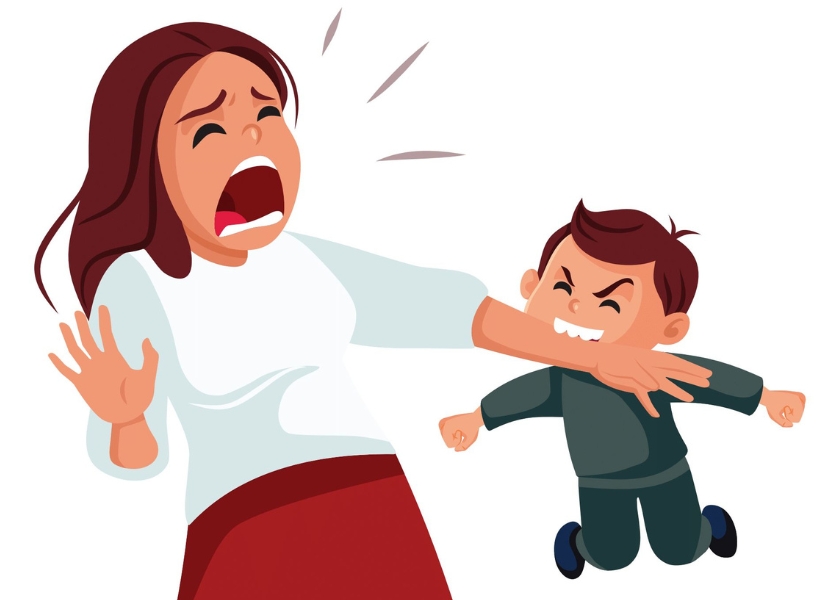
“My toddler has started biting when he’s upset. How should I react? How can I make it stop?” For answers in this Sound Advice column, we reached out to Dr. Kaylee Davis-Bordovsky, pediatric psychiatrist at Children’s Health in Dallas.

As a mother who has had to sign a few daycare incident reports for my toddler biting (and being bitten!), I understand how this behavior can seem so exasperating. Fortunately, my extensive training in child and adolescent development has provided some useful insight into why children (including my own) may bite and ways to prevent and modify biting behavior.
First and foremost, infants and toddlers bite! This is developmentally appropriate behavior, and a parent need not feel excessive guilt whenever their child bites. For infants, biting may occur because they are teething or simply just exploring the new sensation, doing it to see what happens. Toddlers, however, may have a more addressable motive.
There is a rapid growth in brain development during toddlerhood—they are having big feelings and trying to conceptualize new experiences, but still lack the ability to communicate their needs to others. Given that their brains are now absorbing everything like sponges, this stage of development is the perfect opportunity to help teach your child how to communicate their needs in an appropriate and safe manner:
1. Check your reaction. Your first instinct may be to yell, lecture or punish your child. However, this will not help. First, separate the children and check on the safety of the child who was bitten. Next, you want to calmly yet firmly say, “We do not bite. Biting hurts.” Then, redirect the child to another activity and do not force them to play with the child they bit.
Do not give them any more attention at that time. This is important, because the more attention you give the child afterward, the more the child may bite (the child may feel that negative attention is better than no attention). You never want to bite your child back, as this teaches them that biting is OK and that is not the message we want to send.
2. Identify why they are biting. Are they hungry? Tired? Bored and looking for attention? Mad that another child took their toy? Scared you are going to leave? There are many possibilities, so it is key to identify the why. You can do this by examining the warning signs your child exhibited or the actual events leading up to biting. If your child is routinely biting, there will almost certainly be a common denominator that leads to this unwanted behavior.
RELATED: Sound Advice: How Do I Wean My Toddler?
3. Modify the environment. Once you’ve identified why your child bites, you can prevent or modify their environment so that you can intervene early. Does your child bite when sharing toys with other children? Model for them how to share and play with them when they are playing with others.
Does biting occur before nap or snack time? Ensure your child is well fed and rested when playing with other children. Do they bite when angry or sad? When you start to notice their warning signs (yelling, stomping, crying, etc.), redirect them to another activity until their big feelings have passed.
4. Teach new skills. Most of the time, toddlers bite because they cannot communicate their feelings. It is important to teach them how to do this when they are calm and ready to learn, not right after a biting incident. Teach them how to express emotions and ask for help using words or gestures.
5. Praise the child when they are not biting. If you notice them playing with another child appropriately, say, “Wow! That was so nice the way that you let your friend play with your toy,” or “I love how even though you felt angry, you didn’t bite. You are so big!” Paying attention to your little one when they are doing right instead of wrong will promote development of positive coping skills and self-esteem while diminishing unwanted behaviors.
Though most children just need to be taught alternative methods for meeting their needs other than biting, this behavior may persist even after strict behavioral modifications have been put in place. If this occurs, reach out to your pediatrician or health care professional to seek further assessment and treatment recommendations.
RELATED: Find Mom Approved Pediatricians in Dallas-Fort Worth
Top image: iStock