

Do your kids even know why they get a random Monday off in February? Teach them a little American history and celebrate Presidents Day with two books, two events, a block set and a local museum.
family life
Latest stories
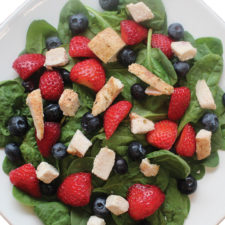
Veg Out with Cuisine for Healing’s Ready-Made Meals
If all those hours of meal prepping and recipe research have you feeling like you have too much on your plate,…

TreeHouse
You change your A/C filters often, purchase hypoallergenic pillows and dust your home religiously. Making adjustments like these is more…

On Board
Earlier this year, Delta Air Lines made headlines after announcing more stringent vetting of service and emotional support animals. While federal law permits…

To the Limit
As a young teenager, Jennifer Erp’s son Braden loved to ride the train at the mall. But when the train malfunctioned one day,…
Flu Review
Flu season is well underway! The Center for Disease Control details the best ways to protect against the flu, such…
Best for Moms & Babies 2018
You don’t need us to tell you that you’ve got a lot on your plate. Between researching preschools (it’s never…

Now You’re Talking: Safe Conversations
Drs. Harville Hendrix and Helen LaKelly Hunt discuss Safe Conversations and building strong, healthy families on a foundation of connection.
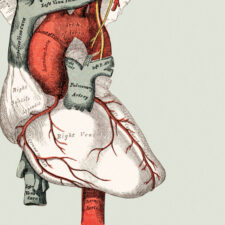
Matters of the Heart
According to reports, an estimated 3.5 percent of all kids and teens have hypertension. Here’s the lowdown on high blood pressure in kids.

Teaching Money Management to Your Kids
Get kids to be smart and savvy about spending from an early age.

Mommy Matchmakers
Make new friends via two apps for busy moms

Teaching Financial Independence
Paying bills, budgeting, making investments— they’re real-world skills that are essential to being a financially healthy adult. But many kids…
Accessible Accommodations
Big news for travel junkies: Airbnb just acquired Accomable, an online listing service with hundreds of accessible properties in more…

How to Create a Special Needs Trust
Here’s why creating a special needs trust is paramount for protecting your child’s financial future and well-being.

The Anxiety Link
Next to the fridge in Hilda Ruiz’s kitchen, a calendar reminds her 12-year-old-son Daniel of upcoming appointments—swimming lessons for him…

54 Ways to Beat Winter Break Boredom
You’ve already Googled a million crafty ideas to help you survive the holiday break with the kiddos at home. For…
The Invisible Ones
Despite a thriving local economy, the number of homeless families and children in North Texas continues to rise. And they’re not all panhandling—they’re at work, at school and on the playground, going unnoticed and, sometimes, unhelped.

Homeward Hound
Before adding a furry member to the family, there are lots of variables to consider. We asked Dr. John Harvey, a veterinarian at Cross Timber Animal Medical Clinic in Flower Mound, and renowned dog trainer Pam Martin to give us the do’s and don’ts of getting a family dog.
Stay Ahead of the Pack on STAAR Testing
Read on for top tips on how to prepare your child for the STAAR tests, and learn how to make your child a fearless test-taker.
Mind Your Child’s Mind
Overall brain health is about more than what kids eat. When they sleep, their activity level and how secure they feel are also key contributors to their overall well-being and brain health, experts say. So parents need to help their kids find the right balance of food, activity and sleep—and make sure kids feel secure—so those developing brains function better.