USA Today readers ranked it as the top zoo in 2020, and locals know too that Fort Worth Zoo is far and away one of the best zoos in the country, so it’s no wonder that more than one million visitors annually. Head across the river from the Fort Worth Cultural District to see the cheetahs, giraffes, meerkats, flamingos, primates and more animals inside the zoo’s major exhibits.
And it keeps getting better with habitats including African Savana, home to giraffes, ostriches and even hippos, and Elephant Springs‘ Asian elephant herd and greater one-horn rhino. Wide, paved sidewalks and lush foliage overhead make the zoo both stroller-friendly year-round and the ideal locale for a day out with the kids.
RELATED: A Complete Guide to Zoos Around North Texas
Zoo hours
The zoo is open 365 days each year, including holidays. Daily hours are 10am to 5pm Monday through Friday and 10am to 6pm Saturday and Sunday.
Location
For driving directions to the zoo, type in 1989 Colonial Pkwy., Fort Worth. The zoo is located south of the Fort Worth Cultural District, across Interstate-30, and north of Texas Christian University. As you enter, be prepared for some construction as the zoo continues to build new habitats. Parking is $5.
Admission
General admission is $19 for adults, $15 for seniors and for children ages 3–12, and free for children 2 and younger. Free for members. Get half-price admission each Wednesday. You can repurchase admission online if you’d like to skip the line, but it’s no longer required in advance. Walk-up admission is welcome.
Need to borrow stroller for your toddler? They’ve got single and double strollers available to rent for the day for $10 and $12. as well as motorized scooters for $35. For any questions, calls 817/759-7555.
How big is the Fort Worth Zoo?
The zoo spans 64 acres. Another quick look at the numbers: The zoo houses a total of 542 species, 68 of which are classified as either endangered or threatened on the state and federal levels, and 112 species are on the Association of Zoos and Aquariums (AZA) Species Survival Plan.

Food options at Fort Worth Zoo
Outside food and beverages are permitted, with some exceptions: no large chests or coolers, no single-use straws and lids, glass containers and—sorry, parents—no alcohol. Unless you bring snacks, you’ll need to wait until you happen upon a dining spot to feed the kids. Thankfully, there are several options no matter which attraction you’re currently exploring.
Inside the Texas Wild! attraction, the indoor/outdoor Bluebonnet Cafe provides a great place to stop, recharge and enjoy hotdogs, hamburgers, Pizza Hut pizza, or Dickey’s barbecue. The indoor/outdoor Crocodile Cafe offers hamburgers and chicken sandwiches along the pathway near the Museum of Living Art (MOLA), and you’ll find several other snack shacks along the pathways. Totally Texas Treats (near the entrance of Texas Town) is a classic candy shop.
Once you’re finished feeding yourselves, stop by the Giraffe Cart. There you can purchase your lettuce leaves to feed giraffes by hand from the platform in the African Savanna.
How is Fort Worth Zoo different than Dallas Zoo?
Only here can you see the zoo animals and then let the kids cool themselves off at Safari Splash, the zoo’s own 14,000-square-foot water playground for humans. Come with your swimsuits to make your trip a full day when Safari Splash reopens for the season in April. Admission there is an additional $5, which is well-worth it during the hot summer months. Parents can relax on a lounge chair in the shade with a lemonade while your kids go wild on the four slides and animal-shaped water cannons. There’s also a toddler play area.

If you’re dropping off the kids at one of the zoo’s summer camps, chances are those classes will be taking place in the new Exploration & Learning Center that the Fort Worth Zoo unveiled in May 2024. The state-of-the-art facility located behind its Museum of Living Art offers six additions classrooms and more space for special events.
How much time should I spend at the Fort Worth Zoo?
With so many unique animals and interactive opportunities at the zoo, there’s no use racing through a visit. We recommend to wear your tennis shoes and make a day of it. Plus, the earlier in the day you arrive, you’ll be more likely to see animals when they’re most active.
The paved sidewalks all around the zoo are stroller-friendly, but if you’re tiring on walking, hop aboard the Yellow Rose Express for a ride to and from Safari Depot. Kids 5 and up can even become a Junior Train Conductor themselves.
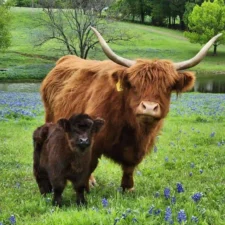
But no visit to the zoo would be complete without ample time at one of its top attractions for kids: the Toyota Children’s Ranch and Petting Corral inside Texas Wild!, housing goats, sheep, miniature donkeys, pigs and more farm animals that you might see in the Lone Star State. Pro tip: The petting corral is at the far end of the zoo, so don’t wait until the end of your visit to arrive there.
RELATED: Meet Fort Worth Zoo Bird Expert Shelly Collinsworth
Top image: Baby elephant Brazos at Fort Worth Zoo