
Topics covered below:
• What are the laws for homeschooling?
• How do I choose the right curriculum?
• What about socialization and support groups?
• Do I need a teaching degree?
• Where can I find resources to help me homeschool my child?
• How do I know if my child is learning enough?
• Will homeschooling affect college acceptance?
If your child struggles in a traditional classroom or public school setting, homeschooling could be the game-changer they need. And it’s not as overwhelming as it might seem, especially in Texas where the legal process is straightforward, resources are abundant, and the curriculum is easy to access. And forget the old myths about socialization. Co-ops, sports leagues, and community groups make it easier than ever to keep your kids connected and thriving. Ready to take the leap? Here’s our ultimate guide to homeschooling in Texas.
What are the Laws for Homeschooling?
Texas has permitted homeschooling since the Texas Supreme Court’s ruling in Leeper v. Arlington ISD. Homeschooling here is parent-friendly and has fewer bureaucratic hurdles than other states. Although considered a form of private education, there are still a few legal checkpoints you’ll need to follow.
Jeremy Newman, Vice President of Policy & Engagement at the Texas Home School Coalition (THSC), says, “The first thing to know is that if your child is already in public school, there’s a specific legal process you go through. It’s not difficult, but you do need to do it the right way where basically you provide written notification to the school that you’re withdrawing your child to homeschool and the date that homeschooling is going to begin.”

Key Legal Requirements
1. A homeschool curriculum must include reading, spelling, grammar, mathematics, and good citizenship (this is often taught as civics or social studies)
2. Teaching must be sincere, structured, and aimed at providing an actual education. So, spontaneous movie marathons don’t count as “school days.”
3. Unlike many other states, Texas does not require you to notify any government entity, such as the school district, about your decision to homeschool. However, if your child is currently enrolled in public school, you’ll need to formally withdraw them before starting your homeschooling journey. Download this withdrawal letter from the THSC website to send to the school.
4. Texas does not enforce minimum attendance days for homeschoolers, allowing for ultimate flexibility. This makes it possible to take a mid-year vacation or adjust your school calendar to coincide with family activities.
RELATED: Laws Every Texas Parent Should Know
How Do I Choose the Right Curriculum?
Before you dive into the curriculum rabbit hole, ask yourself this: What kind of learner is my child?
- Do they thrive with hands-on experiments?
- Are they bookworms, devouring literature faster than you can say “library card?”
- Or maybe they’re visual learners who need colorful charts and diagrams to make sense of math?
And, parents, don’t forget your own teaching style. Are you more of a structure-loving planner, or do you lean toward the “let’s wing it” approach? The right curriculum will match both your child’s needs and your teaching style.
RELATED: Identifying Your Child’s Learning Style
Choosing the right curriculum for your child is an important step, though as you explore your options, parents can expect to tweak, adjust, and maybe even scrap some things along the way—and that’s OK. The beauty of homeschooling is the freedom to make it uniquely yours.
“In the homeschool community, parents use different curriculum for different subjects for different children at different ages. There are very few people who are going to have one curriculum provider that they use all the way through. That almost never happens,” Newman says. “Instead, parents usually start with certain providers on certain subjects. They try them out, and they find that it works better for some children than others. There certainly are more popular curriculums people may recognize, names like Abeka or Bob Jones.”
Other places for parents to find curriculum include your local library, bookstores or homeschool book fairs, and online booksellers like Rainbow Resource or Timberdoodle.
Jamie Spear, a homeschooling mom of two from Denton, can see the benefits of parents being able to control the curriculum for their children. She says, “I like being able to personalize the education for my daughters. If they are performing above grade level and excelling in certain subjects, I can put them on a more challenging program. They don’t have to be held back.”
Spear says supporting her daughters’ interests that lay outside the realm of traditional public school offerings was a deciding factor in whether or not to homeschool her kids. She says, “Both of my daughters excelled at sports, dance, and fine arts. The limitation of an eight-hour school day was not something that aligned with our needs.”
RELATED: What to Borrow From Your Local Library of Things
What About Socialization and Support Groups?
“Back in the ’70s and ’80s, when homeschool was first re-emerging, the homeschool community wasn’t very big. There weren’t a lot of places to go and socialize with other homeschool families,” says Newman. “That is not the case today.”
In Texas, homeschool co-ops are practically everywhere. These are groups where homeschooling families come together to share resources, organize classes and, most importantly, connect kids with peers. Co-ops can range from casual meetups at parks to formalized learning environments with scheduled classes.

Plus, it’s a great way for you to find your own homeschooling tribe and swap stories about that time your kid tried to turn a science experiment into a kitchen disaster. A few sure-fire ways to socialize your homeschoolers include:
Ideas for Extracurricular Activities
Homeschoolers don’t have to miss out on team sports or arts programs. Texas offers a buffet of opportunities for kids to explore, such as:
• Sports Leagues: Many community centers and private organizations welcome homeschoolers. Whether it’s basketball, soccer, or even dance, there’s a team for your child.
• Music & Theater: Inspire their inner Beyonce or Matthew McConaughey by enrolling them in music lessons or a community theater group.
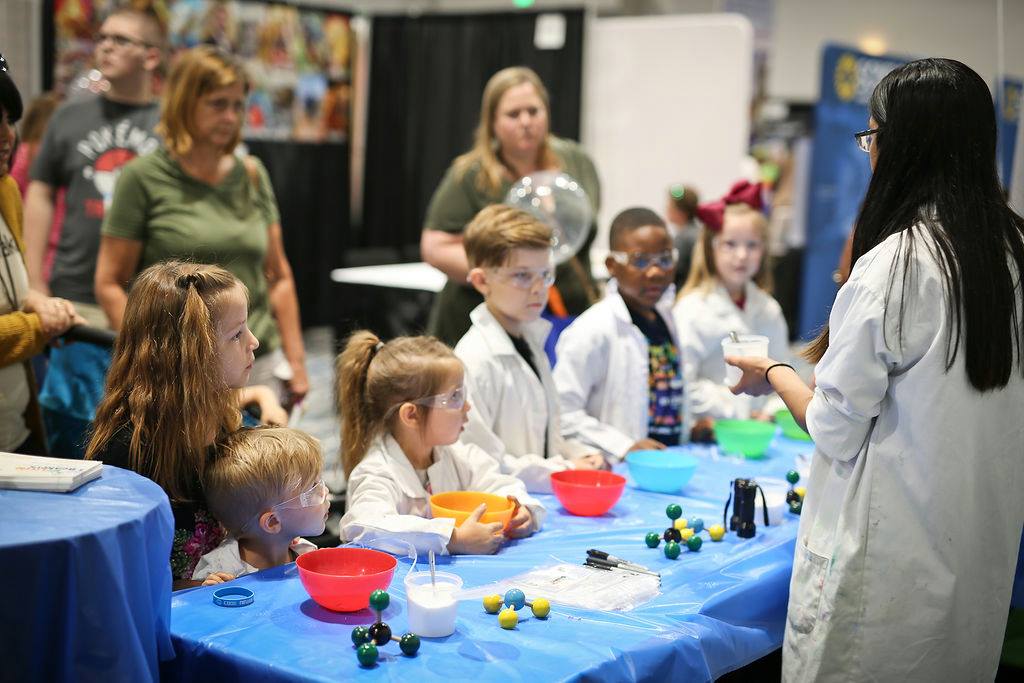
• STEM Clubs: Got a budding inventor or scientist? Robotics, coding, and 4-H clubs are fantastic options.
Playdates & Social Media
Sometimes, the simplest solutions are the most effective. Schedule regular playdates with other homeschool families. Whether it’s a backyard BBQ, a pool day, or a trip to the zoo, these informal gatherings are a perfect way for kids to bond organically.
A cool way to connect with other parents and kids is by creating a Facebook group or joining an existing one for local homeschool families in your area. You’ll be surprised how many parents are looking for the same thing.
Community Engagement for Homeschoolers
Texas allows homeschooled students to participate in dual enrollment at community colleges. Older kids can take a class or two and meet students from diverse backgrounds. For younger kids, check out community workshops like cooking, painting, or even gardening classes—all activities great for mingling with other kids who share similar interests.
Texas also offers countless volunteer opportunities where kids can make friends while making a difference. From animal shelters to food banks, your child will not only learn empathy but also meet other kids who care about their community.
Field Trips to Location Attractions
One of the greatest perks of homeschooling is the flexibility to go on epic field trips. Organize group outings to places like:
• River Legacy Living Science Center
• Area museums (Fort Worth Museum of Science & History, Perot Museum of Nature and Science, Kimbell Art Museum, the Sixth Floor Museum at Dealey Plaza, Nasher Sculpture Center, and the Amon Carter Museum of American Art)
• Fort Worth Zoo
• Dallas World Aquarium
• Casa Mañana
• Bass Performance Hall
“I don’t necessarily buy the idea that the most effective way to socialize a child is for them to spend almost their whole day only around other children their own age. This is kind of the model we’ve ended up with in the public school,” says Newman.
“When children are homeschooled, they tend to socialize with children of a bunch of different ages, and far more often they’re socializing with adults compared to your public school peers.”
RELATED: Our Favorite Kid-Friendly Museums
Do I Need a Teaching Degree?
No, you don’t need a teaching degree to homeschool your child. State law empowers parents to take charge of their children’s education. Newman says, “A parent’s job is not to transfer knowledge from their head to their child’s head. Their job is to foster an environment where the child wants to learn. If you can do that, then you don’t have to be the expert.”
Here’s why parents may have the advantage when it comes to educating their kids:
• You know your child best.No one understands your child’s learning style, needs, and passions better than you do. This insight allows you to craft lessons that truly resonate.
• Resources are abundant.From online curriculums and local co-ops to library programs and tutors, Texas offers a wealth of tools to help you teach effectively—even in subjects you’re less familiar with.
• Flexibility is key. Homeschooling allows you to adapt your teaching methods to fit your child’s pace, whether they need extra time with math or are racing ahead in science.
“I think the most common misconception that I get about homeschooling is people feeling that if they are not an expert on all the topics they are going to be teaching, they might break their child,” says Newman.
According to the Texas Home School Coalition, homeschooled students rank 15–30 percentile points above their public school peers on national achievement tests.
“That performance remains true whether the parent has a GED or Ph.D.,” says Newman. “So, whether a parent is a college professor or if they never graduated high school, it does not significantly affect the academic performance of the student.”
RELATED: TEKS Standards for Kids in Kindergarten through Fifth Grades
Where Can I Find Resources to Help Me Homeschool My Child?
From online learning platforms to detailed curriculum guides, let’s dive into what’s out there, Mom and Dad, because you aren’t alone.
Online Learning Platforms
Whether you’re a math genius but can’t tell the difference between a sonnet and a haiku, or you’re a history buff who struggles with fractions, online platforms cover those gaps. Platforms like Khan Academy, Time4Learning, and Outschool offer structured lessons in everything from algebra to art history. Many of these programs are self-paced, so your kid can zoom through the topics they love and take their time with the ones they don’t.
Curriculum Assistants: If online platforms are your teaching assistants, consider curriculum guides your GPS. They help you navigate what to teach, when to teach it, and how to keep it all organized. These guides come with detailed lesson plans, reading lists, and built-in activities. Some even cater to specific learning styles—visual learners, kinesthetic learners, auditory learners, you name it.
Co-Op Collaboration: Then there are homeschooling co-ops—groups of parents who meet up to share resources, plan group activities, etc. Co-ops can be especially helpful for subjects like science labs or team sports, where collaboration takes things to the next level.
Field Trip Kits: These are ready-made lesson plans that correspond with visits to museums, zoos, or historical landmarks around Texas. You can teach your kid about the moon jellies while actually standing next to their tank.
Podcasts and YouTube: Don’t forget about podcasts and YouTube channels. There are science experiments, history lessons, and even how-to videos for building your own battery. This can be perfect for little hands-on learners.
How Do I Know if My Child is Learning Enough?
Learning measurement tools blend freedom with accountability through online assessments, skill benchmarks, and progress trackers. The most common ways to track your kids’ development include:
Progress Insights: Online assessments, skill benchmarks, and progress-tracking tools give you a crystal-clear view of how your child stacks up against state and national standards. Adaptive assessments from platforms like Progress Pathways adjust to your child’s performance.
Testing: Annual or biannual testing (even though Texas doesn’t require it) keeps your child hitting critical milestones and ensures they’re staying competitive with peers in traditional school settings.
Record Keeping: While Texas law doesn’t mandate it, keeping a portfolio of your child’s work, attendance, and curriculum can make transitions to public or private schools seamless. Plus, it’s a great way to showcase their progress and hard work.
Will Homeschooling Affect College Acceptance?
In Texas, home-schooled students won’t get a state-issued diploma. When applying to college, they are treated just like those transferring from unaccredited private schools. Colleges and universities in Texas hold home-school grads to the same standards as public school grads for admissions—including standardized test score requirements.
According to the National Home Education Research Institute (NHERI), homeschooled students in Texas tend to score higher on college entrance exams like the SAT and ACT. Some even argue that they’re better prepared for college life because they’re used to working independently.
Newman says that colleges like Texas A&M and the University of Dallas don’t just accept homeschoolers, they actively recruit them. At Texas A&M, they offer a $50,000 endowed award for homeschoolers, so that applying students with a homeschooling background are given the same opportunity as traditional high school students. The University of Dallas tailors its application process, provides a dedicated Homeschool Admission Counselor, and even offers full-tuition scholarships specifically for homeschoolers.
Some colleges roll out the red carpet specifically for homeschoolers because these kids have a reputation for being self-starters. Many of them juggle dual-credit courses, internships, and extracurriculars long before they hit campus.
It’s also worth noting, Newman says, that homeschoolers often perform better academically once they get to college. A NHERI study comparing the difference in academic achievements of homeschooled versus non-homeschooled students found that homeschooled students had higher GPAs.
RELATED: Go Beyond Grades: Measuring Your Child’s Academic Progress
Photos courtesy of Texas Home School Coalition