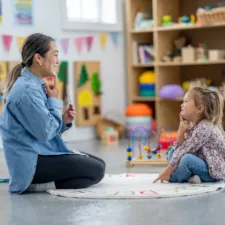
First grade is a big milestone in most kids’ lives. The academic journey that started in kindergarten is now continuing in new directions. How do you prepare your kids for all the exciting things they’re supposed to learn and master in first grade? Here’s what the experts say:
Promote Self-Reliance
One of the biggest differences between kindergarten and first grade is that kids are expected to become increasingly self-reliant.
As parents, you can help your kids with that by letting them take more risks and allowing them to learn from their mistakes. “If there’s a new task to accomplish,” says Amanda Morin, senior expert at Understood, “wait as long as possible before stepping in to help, and always reward the effort, not just the success.”
Morin says that “reinforcing the ‘you can do it’ approach at home will help your child be more comfortable with his or her new responsibilities at school.” For example, if you want to teach your kids how to water the houseplants, don’t rake them over the coals because the water overflows from the plant pots. Thank them for trying their best and then encourage them to use less water next time.
Create Home Routines
You can promote self-reliance by creating home routines that your kids are expected to follow.
“If a child knows that every morning when she gets up she follows a particular routine for getting ready, then she can soon do it herself,” Donna Adkins of education think tank GreatSchools says. “In the evening, if your child knows the bedtime routine is to take a bath, brush teeth, read a story and get into bed, then not only is it easier to get her into bed, it’s easier for the child to do it independently.”
To help your kids with their morning and evening routines, create a to-do chart with pictures of their tasks, which they should review on their own.
Help With Homework
An important area where first graders are expected to become increasingly self-reliant is homework. You can support your kids by giving them a good study environment. This should include a well-lit, comfortable and quiet workspace with all the necessary supplies.
Make yourself available to explain assignment instructions, offer guidance, answer questions and review the completed work. However, resist the urge to provide the correct answers or complete assignments yourself. Leaders at major health news site KidsHealth says that “learning from mistakes is part of the process, and you don’t want to take this away from your child.”
Just like watering the houseplants and doing household chores, give your kids the chance to learn from their mistakes with their homework.
Talk About School
Support your first graders by creating time to talk to them about school every day. Leaders at KidsHealth say when “kids know parents are interested in their academic lives they’ll take school seriously as well.”
When you speak with your kids, listen carefully, make eye contact and avoid multitasking. Essentially, give them your undivided attention.
Good times for such conversations include during afternoon snack time, at the dinner table or before they go to bed. On weekends, try talking to them when you’re standing in line at a store or going somewhere in the car.
Build Self-Confidence
Sometimes, kids are anxious about starting first grade—this is especially true when they’re moving to a different school than the one where they attended kindergarten.
To reduce their anxiety and make them more self-confident, bring your kids with you to the annual school orientation. Amie Duncan, child psychologist, says first graders are often anxious about practical things. Some of these might include “how to get to the bathroom, where to eat lunch, or how to get to a locker.”
If there’s no formal school orientation, contact your child’s teacher and ask if it would be OK if you dropped by for an informal visit, or (video) call the teacher and include your kids on the call.
A Nutritious Breakfast
First graders need a nutritious breakfast every morning to have the brain fuel for everything they’re about to learn.
Leaders at KidsHealth say that kids who eat breakfast consistently are less likely to be absent from school, make fewer trips to the school nurse and do better academically. But what should you give them for breakfast? Give them a breakfast that’s rich in fiber, protein and whole grains, as well as low in added sugar. This includes breakfast food such as eggs, oatmeal, yogurt with fruits and nuts and wholegrain toast with peanut better.
Tanni Haas, Ph.D. is a Professor in the Department of Communication Arts, Sciences & Disorders at the City University of New York – Brooklyn College.
Image courtesy of iStock.