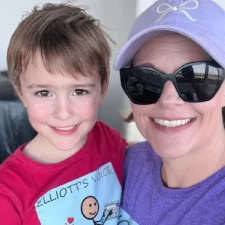
North Texas mom Typhony Gerwig rarely sleeps through the night. Her three children — 13-year-old Tyler, 8-year-old Tanner and 4-year-old Tessa — have all been diagnosed with Type 1 diabetes, and Gerwig must frequently check their blood sugar levels while they sleep so they will not slip into diabetic comas.
“When people talk about diabetes, they think, just take some shots and you’re fine,” she says. “I have to depend on a little bit of medicine to keep my children alive.”
Now Gerwig is hoping to get a little help in the form of Samantha, a 6-month-old English Labrador that is being trained to detect when the children’s blood sugar is low. The dog is part of a relatively new breed of service animals being trained to detect medical conditions like hypoglycemia and epileptic seizures.
Gina Adamson of Lucas breeds and trains dogs like Samantha to help people with diabetes, like the Gerwigs. The dog will cost the Gerwigs $1,000, and Adamson is donating her training services.
“Samantha is going to be my little nurse,” Gerwig says. “During the night, she’ll lick their hands or wake them up — and hopefully she’ll come get me up — when the kids go low.”
Samantha will train for about nine months before going to live with the Gerwigs. Adamson uses a system involving socks to teach the dog different scents. First, she had Gerwig’s children wear socks, and when their blood sugar was low, Gerwig removed the socks and froze them. According to Adamson, the body produces a specific scent when the blood sugar is low that is detectable to animals, but not humans. She uses that scent from the defrosted socks to teach Samantha what to look for. Adamson then wears socks herself with treats in them, to get Samantha in the habit of frequently sniffing her owners’ feet. Samantha will be eligible to go anywhere service dogs are allowed, including stores, church and even the children’s schools.
Gerwig says she’s more hopeful now than ever in the face of her children’s disease.
“As of right now, this (condition) will not change,” she says. “I’m so hopeful, and I think there is a cure out there, but we don’t have it yet. And now we have this dog that’s going to help.”