In this article:
• From itchy bites to serious illness: health risks to know
• Early signs of mosquito and tick-borne illnesses
• Common treatments for mosquito bites
• Steps for removing ticks from skin
• 5 Proven ways to prevent mosquito and tick bites
• When a mosquito bite requires medical attention
Summer in Texas for kids is endless sunshine, sticky popsicle fingers and outdoor adventures. But as parents know, it’s also the time of year when tiny, buzzing intruders and sneaky little hitchhikers pose very real threats to our kids’ health. With Tarrant County confirming its first case of West Nile virus this year and tick activity on the rise across the state, it’s no wonder you might be eyeing the backyard with a bit more caution and a renewed focus on mosquito and tick bite prevention for your kids. Here’s how you can outsmart these tiny troublemakers and keep your family’s summer both safe and carefree.
From Itchy Bites to Serious Illness: Health Risks to Know
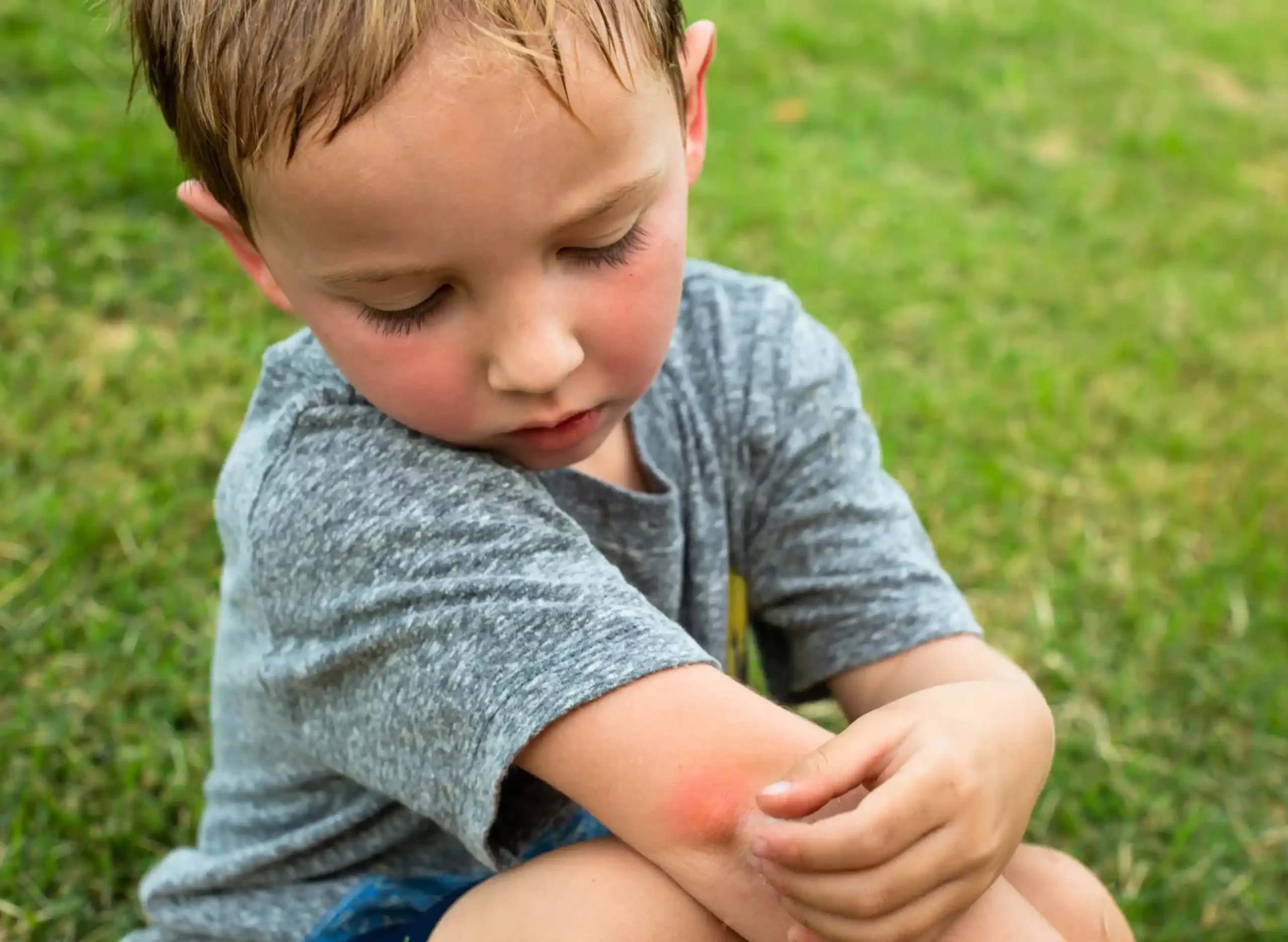
Before jumping into prevention, let’s understand what we’re up against. Dr. Carla Garcia Carreno, director of infection prevention and control at Children’s Medical Center Plano, says, “The main risk for a mosquito bite is discomfort accompanying a red, swollen and itchy spot. The itchiness can lead to scratching and potential bacterial infection.” Carreno explains, “In Texas, mosquitoes carry West Nile virus during the summer season. Ticks can carry multiple infections, including bacteria, viruses, and parasites.”

Early Signs of Mosquito-Borne Illness
Dengue Fever, Zika, and Eastern Equine Encephalitis (EEE) are all diseases that can be transmitted by mosquitoes in Texas; however, West Nile virus is the most common. While most people infected with West Nile virus show no symptoms, early signs can develop in children anywhere from two to 14 days after the time of the bite and include:
• Body aches
• Diarrhea
• Fatigue and weakness
• Fever
• Headache
• Joint pain
• Rash
• Vomiting
Early Signs of Tick-Borne Disease
“The most common tick-borne illnesses seen in Texas include Rocky Mountain spotted fever, Southern tick-associated rash illness (STARI), and Ehrlichiosis,” says Carreno. With tick bites, those can include many of the same symptoms, which typically appear three to 30 days after the bite:
• Body aches
• Fatigue and weakness
• Fever and chills
• Headache
• Joint pain
• A distinctive rash at the site of the tick bite that might later become generalized
• Vomiting
Because kids are typically outdoors more, they are more vulnerable to insect bites, and blood type could play a factor as well. “A 2004 research study revealed that individuals with type O blood were favored by mosquitoes over those with type A. Overall, mosquitoes are attracted to body heat, odors in the skin and exhaled chemicals such as carbon dioxide. The more heat a person releases, the more attractive mosquitoes will find them,” says Carreno.
Common Treatments for Mosquito Bites
Mosquito bites can cause intense itching and irritation. Here are some effective ways to relieve symptoms:
• Clean the area with mild soap and cool water to reduce the risk of infection.
• Apply a cold compress or ice pack for 10 minutes to reduce swelling and calm the skin.
• Use topical anti-itch creams such as hydrocortisone cream, calamine lotion and antihistamine creams.
• Apply a cool oatmeal bath or baking soda solution to soothe widespread itching.
• If the itching persists or causes discomfort, give kids an age-appropriate dose of acetaminophen (Tylenol) and oral antihistamines such as children’s Benadryl.
Steps to Remove Ticks from Skin
Ticks need to be handled more carefully. Quick, gentle removal is key.
• Use fine-tipped tweezers to grab the tick as close to the skin’s surface as possible.
• Pull upward slowly and steadily without twisting, to avoid leaving parts embedded in the skin.
• Clean the bite area and your hands with rubbing alcohol or soap and water.
• Dispose of the tick by submerging it in alcohol, placing it in a sealed bag, or flushing it down the toilet.
5 Proven Ways to Prevent Mosquito and Tick Bites
Now that we’re wise to the risks, let’s talk about how to keep those pesky bites at bay without cramping your family’s outdoor style. We’ve rounded up some easy, kid-friendly strategies to help your little explorers stay bite-free all season long.
1. Use kid-safe insect repellents:
Look for repellents containing DEET, picaridin, or oil of lemon eucalyptus. These proven ingredients do effectively repel bugs, but it’s important to use them safely.
Dos and don’ts for applying repellent to kids: “Proper insect repellent application is important as well. It is not recommended to apply insect repellent to a child’s hands as kids often put their hands in their mouth,” says Carreno.
“In addition, avoid using insect repellent in the face, or over cuts, wounds, or irritated skin, avoid using them in enclosed spaces or near food. Check the instructions about timing for reapplication. Always be sure to check the label, as some of these products shouldn’t be used on kids under 3 years of age.”
RELATED: 5 Safe Bug Sprays for Families
2. Dress them for defense:
During mosquito and tick season, what your kids wear outside matters, so with a little strategy, your clothes can help ward off these pests. Carreno recommends several ways to prep in advance of an outing.
Treat their clothes before dressing the kids: “A way to boost protection in kids is to pre-treat their clothes with 0.5% permethrin spray to help deter insects. (Permethrin should not be sprayed directly into the skin, and treated clothing should be dried before wearing it.)” This video from the Centers for Disease Control and Prevention shows more detail on how to prep your and your kids’ clothes.
Avoid what attracts bugs by sight and smell: “Bugs are also attracted to bright colored clothing and heavily scented soaps or sweet-smelling perfumes and lotions.” So, opt for muted color clothing (save the bright colors for when you’re visiting the butterfly houses) and skip using scented body wash or soap on the kids the night before a planned excursion outside.
Look for lightweight fabrics: Long sleeves and pants may not always be the coolest in Texas heat, but lightweight fabrics can help keep little ones from getting bitten.
Close the gaps on their clothing to cover skin: “Other preventive measures to implement against tick bites include placing the socks on top of pants to avoid ticks from crawling into the legs, tucking in shirts, and wearing closed-toe shoes, to prevent ticks to attach,” Carreno says.
Use mosquito netting to cover babies: If your child is in a stroller or carrier, mosquito netting is a great extra layer of protection.
RELATED: Where to Test Baby Strollers in-Store
3. Check the environment for tall grass and stagnant water:
While it’s a good idea to steer clear of tick hotspots, like tall grass and dense woodlands, it’s not always practical. Encourage your kids to play in mowed areas and clear paths when possible. “Eliminating puddles of stagnant water to prevent reproduction of mosquitoes helps reduce the risk of mosquito bites,” Carreno says.
4. Take pet precautions:
Even if your little explorer hasn’t been romping through the tall grass, your furry family members probably have. Pets can bring ticks right into your living room without anyone realizing it. Precautions include monthly flea and tick preventions for pets, as well as washing their bedding regularly and keeping them off beds and couches.
5. Do post-play checks of your child’s body:
Make it a habit to check your child for ticks after outdoor play, focusing on common hiding spots like behind the ears, along the hairline, and in knee and elbow creases.
When a Mosquito Bite Requires Medical Attention
Even with the best prevention strategies, bites can still happen. While most mosquito and tick bites are harmless, it’s important to stay alert for signs that something more serious might be developing.
In rare cases, young children can develop Skeeter syndrome. This is an allergic reaction to mosquito saliva that causes a much stronger reaction to a bite. Your doctor will likely recommend topical or oral corticosteroids to control the inflammation. If your child develops a fever, a spreading or bullseye-shaped rash, significant swelling or redness at the bite site, or any unusual symptoms like severe fatigue or joint pain in the days after a bite, don’t hesitate to reach out to your pediatrician.
RELATED: Find a DFWChild Mom-Approved Pediatrician near you
With tick bites, early intervention is especially important. Red streaks or discolored fluids coming from a tick bite is a sign of infection and should be treated by a doctor. Parents should be concerned if their child has weakness in their arms or legs or finds it hard to breathe.
“In areas endemic to Lyme disease, always inform your pediatrician if you find an engorged tick attached, as they may consider starting preventive antibiotics,” says Carreno. “It is a good idea to keep the removed tick in a safe place in case it needs to be further evaluated. Put in a cup with a lid, for example.”
Ultimately, a combination of good prevention practices and prompt attention to symptoms is the best way to keep little ones safe during the warmer months. Don’t let a few buggy nuisances ruin the magic of summer.
RELATED: Kid-Friendly Hiking Trails Around Dallas
Top image: iStock