Have you submitted a photo of your child for our virtual model search yet? (Submit your photo at dfwchild.com/modelsearch for a chance to grace our 2025 covers.) If you’re waiting until you find exact the right photo that really shows your kid as they are—just looking to improve your photography skills for those candid family photos—keep scrolling down. For advice on this, we reached out to Nick Prendergast, a professional photographer who has shot many of our magazine. He estimates that he has photographed more than 30 cover kids and many portraits for our Mom Next Door profiles.
He’s also a father of two girls: Penelope, 4, and Cleo, 1½, and as you can imagine, has learned a thing or two about how to capture a child’s joy and spirit on camera. Below, Prendergast shares his perspective on what makes even a casual photo op magical and some practical tips for parents to keep in mind before they start snapping.
DFWChild: What are some tips and tricks for getting the ideal lighting indoors?
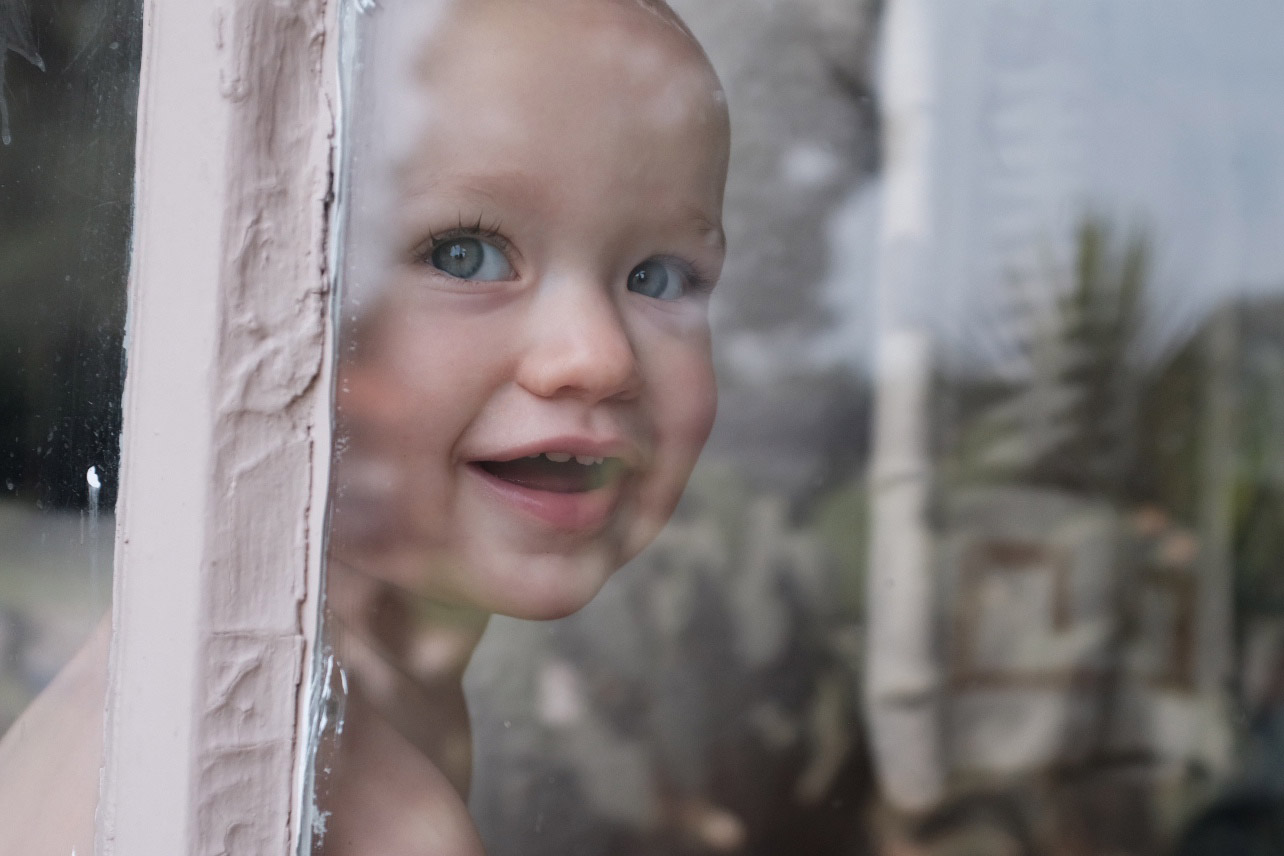
Nick Prendergast: With my girls, I try to keep it simple because I am constantly snapping pics of them and don’t want it to become a forced or negative experience. If we’re shooting indoors, I try to get them next to a window or even put a window behind them so daylight can wrap around them. It can be really pretty, and smartphones can adapt to that lighting very easily.
DFWChild: And timing for the best lighting outdoors?
NP: When shooting outside, I try and aim for early morning or late afternoon. Otherwise, the sun is directly overhead and super harsh. If you have to shoot in the middle of the day, just find some shade so the light is softer and more flattering. That goes for shooting kids or adults!
DFWChild: What about getting the angles or height right?
NP: I almost always get down to their eye level or even lower and shoot up. Shooting low also helps simplify the background, especially outside. I find I’m often trying to avoid cars and buildings as background elements, and those lower angles can help, instead featuring trees or sky, which for me are far more preferable. Also, shooting down on kids can create a weird distortion where the proportions get a little funky.
DFWChild: Many parents use their smartphones. Do you prefer portrait mode, live mode or other features common in smartphones?
NP: While I think portrait mode has its benefits, I shoot in live mode. My kids never sit still, so I like the opportunity to select the final frame out of the live mode clip, especially in candid situations.
DFWChild: How to get your kid to look at the camera? For babies, toddlers, elementary age kids? If they don’t look at the camera, is that OK?
NP: Every kid is different. For my older daughter, who’s 4, I might sing a song we both love or make silly sounds I know will catch her attention. For my 1½-year-old, waving my hand above or next to the lens with a stuffed animal or her pacifier. Don’t all parents do that stuff? I don’t feel like my approach is groundbreaking. You do whatever works and have to be kind of shameless about it.
The last part of your question speaks to something I feel very strongly about: not looking at the camera is totally OK. I love photos of kids where they are super engaged in what they’re doing and not even acknowledging the camera at all.
DFWChild: For candid shots, rather than a portrait, what can parents do to bring out their child’s personality?
NP: Besides those very important general health and well-being call outs (rest, hydration and nutrition) when I’m shooting candids, my number one rule is to let them do their thing and try not to “direct” them. The moment you’re trying to make them recreate a “spontaneous” moment or ask them to look at the camera or smile, that candid moment is now ruined. The thing that makes candid shots so magical is that the kids are in their own world. As soon as you’re getting involved to try and get a good picture, you run the risk of spoiling the fun.
DFWChild: Any advice for how parents can avoid that forced-smile look? Keep snapping photos until they laugh?
NP: Great question. I try to take the pressure off of smiling. Something I try to utilize is movement, like having them jump or spin. I don’t necessarily care to catch the movement in the shot but notice that just engaging in physical movement makes them smile. They’re just having fun, so I try and capture the real smile after the movement.
DFWChild: Anything else parents and family members can keep in mind when photographing their kids?
NP: Let them be kids. Unless your child is extraordinarily good at taking direction, if you try and impose your vision of what makes a great shot, you’re just going to frustrate them. I’ve made this mistake too many times to count with my girls. My favorite shots are those where I’m just in the right place with my camera and being patient enough to find the right time to shoot.
Got a great photo of your kid? Submit your photo to our 26th annual DFWChild Model Search, now open, for a chance to grace our 2025 covers. Get all the details and sign up at dfwchild.com/modelsearch.