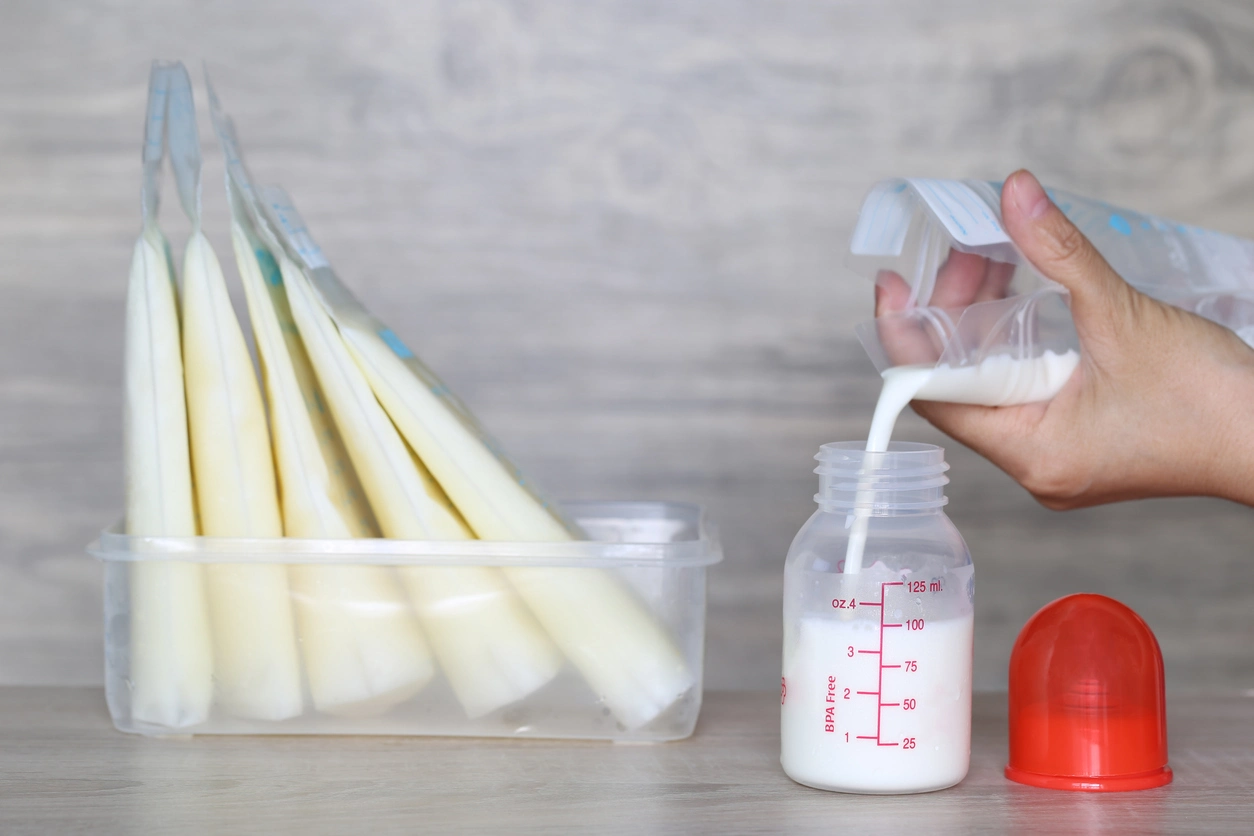
While breast milk provides infants with complete nutrition, its wonders don’t stop there. It’s also been long used a remedy in traditional and natural medicines. Healthcare practitioners such as Dr. Teri Mitchell, APRN, CNM, IBCLC, a Mom-Approved nurse midwife at BundleBorn Midwifery in Frisco, have highlighted breast milk’s effectiveness in treating common infections, ailments, and skin irritations in infants between 6 months and 2 years old.

“Breast milk is dynamic,” says Mitchell, who is an internationally board certified lactation consultant with 20 years of experience helping women breast feed their babies. We spoke with her about the extraordinary potential of breast milk and how alternative uses take advantage of its immunological properties. If you’ve got excess breastmilk in the freezer, take a closer look at some of these innovative uses, including skincare and natural medicine for baby and even wearable art for Mom.
Alleviating Skin Issues with Breast Milk
“Traditionally, women of wisdom have used [breast milk] as a topical treatment for skin irritations or infections,” says Mitchell. One of the most common alternative uses is as a lotion to soothe the skin. Breast milk lotion is made by emulsifying the milk with essential oils, such as vitamin E and coconut.
Milk baths are also nourishing for your baby’s skin, and it’s a good way to use up any leftover milk that may have expired for consumption. Mitchell says that breast milk by itself can be used to treat several types of skin irritations:
Baby Acne
“Using breastmilk to clear up baby acne was something that I did for my own babies,” says Mitchell. Breast milk contains lauric acid, known for its antibacterial effects. Some studies even suggest it can be as effective as 1% hydrocortisone ointment in reducing inflammation. To apply, simply dab a little fresh breast milk on the inflamed area with a cotton ball or a clean finger.
Diaper Rash
Fresh, frozen, and even expired breast milk can be applied directly to the skin to treat mild diaper rash. By putting a layer of petroleum jelly over the milk before putting on a diaper, it ensures that the milk will be locked in and absorbed.
Cradle Cap
Cradle cap is a form of dermatitis, causing flaky, scaly patches on a baby’s scalp. This usually happens within the first three months after birth. To treat cradle cap, fresh or frozen breast milk that has been thawed can be rubbed on the area with a soft brush or washcloth in a circular motion.
Sunburn
Fresh or previously frozen breast milk can be a powerful remedy for minor sunburns. Packed with the antibody Immunoglobulin A, breast milk creates a robust antimicrobial shield that decreases infection risk and promotes healing.
Treating Common Ailments with Breast Milk
“Breast milk is filled with macrophages, which are white blood cells that remove dead cells and essentially eat up debris. This makes breast milk an excellent treatment for a baby’s ear or sinus infections,” Mitchell says. First, be sure to talk to your doctor before putting anything in your baby’s ear or eye, even your breast milk, and in the meantime, read up on these common ailments widely treated by breast milk.
Ear Infections
Most ear infections develop in the middle ear behind the eardrum, making it inaccessible to breast milk when applied in the ear canal, but for outer ear infections like swimmer’s ear, breast milk can be beneficial. Applying a few drops of breast milk into the affected ear several times a day, along with the suckling motion of breastfeeding, can help reduce pain and speed up recovery.
Pink Eye
The jury is still out when it comes to the efficacy and safety of breast milk eye drops in infants, but the National Institutes of Health has found that breast milk could be considered a good first-line treatment for infants aged 6 months and younger. “I recommend using breast milk to remedy discharge in the eye,” says Mitchell, “however, any eye swelling, redness, or excessive discharge would warrant an evaluation by a pediatrician.”
Sore Throat
In treating a sore throat, breast milk can work in three ways: providing needed nutrients for fighting infection, keeping your baby hydrated, and alleviating pain and discomfort. Freezing pumped milk and feeding it as a slushy can work wonders for soothing sore throat symptoms.
Stuffy Nose
Using a dropper to put breast milk in each nostril can help soften and break up the mucus that causes a stuffy nose. A nasal aspirator may assist in clearing the nasal passages after the breast milk has done its job.
Teething
Because of its anti-inflammatory properties, breast milk can help alleviate agitated gums. “A common trick is to freeze a thin layer of breast milk and break it up like peppermint bark for babies to suck on or to rub on their gums for teething,” Mitchell says.
RELATED: How to Increase Your Breastmilk Supply
Creating Cherished Keepsakes
Beyond health uses, breast milk can be used for aesthetic purposes too. “Many mothers enjoy commemorating their breastfeeding journey by creating jewelry containing their milk,” says Mitchell. Modern-day methods for dehydrating breast milk allow it to be turned into a resin for cherished keepsakes. After pasteurizing the milk to ensure it’s safe, artisans craft it into a hard resin or “stone,” forming beautiful rings, necklaces, earrings, or bracelets. The resulting gem, with its milky or creamy hues, resembles an opal.
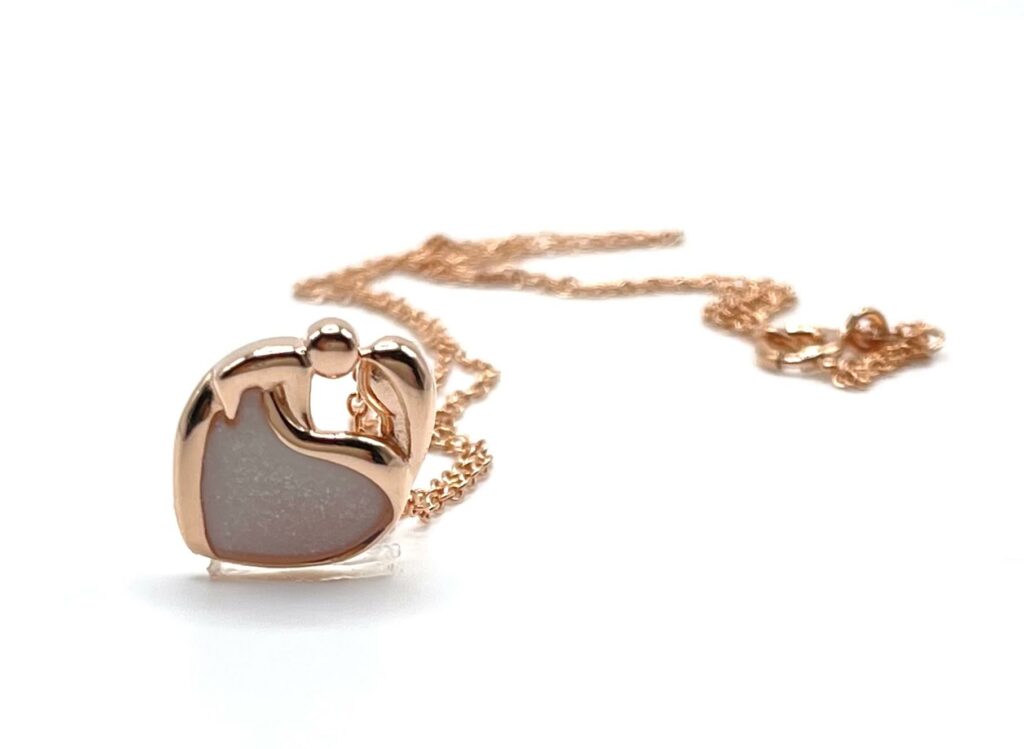
At The Milky Rose Boutique, North Texas mom Samantha Cupp makes custom jewelry from breast milk shipped to her by DFW-area clients. She enhances the uniqueness of her pieces by adding opal flakes, baby hair, and even the mother’s placenta to the gems. “This work is my passion,” says Cupp. “I absolutely love hearing stories from my mama customers. I have a wall filled with letters and pictures about how much the pieces mean to them.”
In need of extra breast milk or want to donate yours to other local moms? Reach out to the Mothers’ Milk Bank of North Texas, located in Fort Worth.
Top image: iStock