Want to stay in the know in real time? Sign up here with your due date and email address, and each week, we’ll deliver an email to your inbox that’s tailored to your current week of pregnancy.
You’re coming to the end of your fifth month of pregnancy, Mom! Here’s what’s happening at week 22 with you and your baby.
How Big is Baby?
Grow, baby, grow! That sweet little babe is measuring about 11 inches long this week.
What’s New with Baby?
Your little one hits a big milestone this week—they’ve broken the 1-pound mark! And at week 22, baby is really refining those senses. They’re becoming more responsive to external sounds and getting better at detecting light and dark, even inside your belly with their eyelids fused shut! By week 22 baby has also developed their sense of touch.
What’s New with Mom?
The heat is on! Heartburn and hot flashes are common at this stage of pregnancy. If you’re experiencing acid reflux, try eating smaller meals throughout the day. You might also notice mild abdominal cramping or lower back pain. Some pelvic pain is normal too, as hormones loosen your joints. And those joints loosen throughout your entire body, so don’t be surprised if your feet start to spread and grow too!
Fun Fact
Are they furrowing their little brow in there? By this week, baby has eyebrows—in the form of cute tufts of white hair. They also have soft, fine hair called lanugo on parts of their body.
Should You Take Prenatal Education Classes?
You’ve read the books and blogs and heard your friends’ birth stories, but when it comes to what actually happens in the delivery room, you may still be feeling somewhat in the dark. Here’s where prenatal education classes can help.
Do you really need to take a class to give birth? No, but these workshops, commonly called childbirth classes, are proven to help moms-to-be feel more prepared and confident when it comes to the big day—the one where you’ll meet your baby! Studies have even found that women who take a childbirth class are more likely to have a vaginal delivery as opposed to a C-section.
Childbirth preparation classes are designed to empower you and your support person with more knowledge about the birth process. You’ll cover topics like signs of labor, comfort measures and medications, relaxation and breathing techniques, hospital procedures, C-sections and more. You’ll have the chance to ask questions and ease anxieties around the unknowns of labor and delivery. Plus, most childbirth classes give you the opportunity to tour the hospital, so you’ll get to see where you’ll be giving birth.
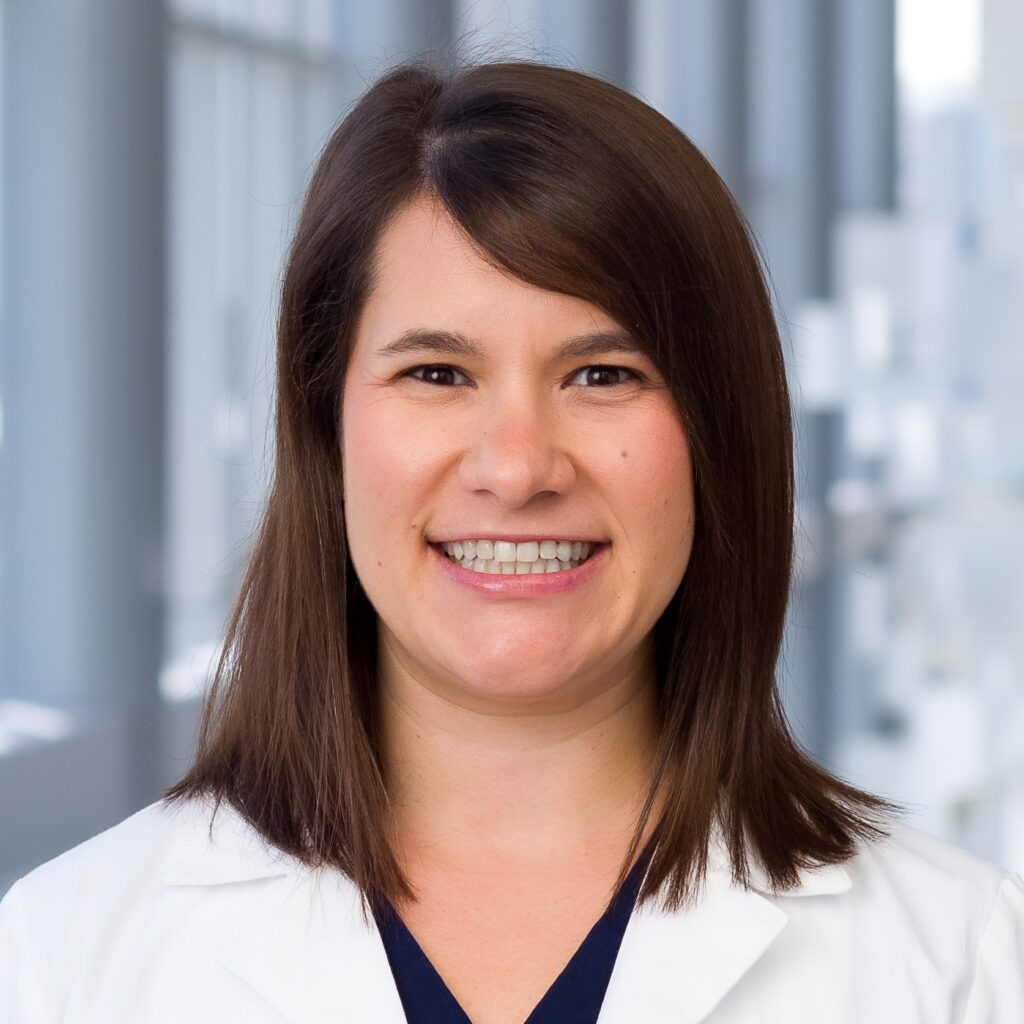
Joanna Forbes, M.D., is an assistant professor in the Department of Obstetrics and Gynecology at UT Southwestern Medical Center. She specializes in all aspects of general Ob/Gyn, including well-woman exams and minimally invasive Ob/Gyn surgery.
Other prenatal education classes can help you feel even more prepared for the arrival of your little one. UT Southwestern Medical Center, for instance, offers a class in breastfeeding where you’ll be equipped with tips and information to help you succeed at nursing, if that’s your choice. There’s also a basic baby care class where moms- and dads-to-be practice bathing, diapering, dressing, and swaddling baby dolls. You’ll also cover things like infant care, nutrition, illness, safe sleep and dealing with crying.
Look for the education class that best fits your needs and situation. “Different patients have different backgrounds and so they may feel comfortable with something and not need to take it. Maybe they have younger siblings aren’t worried about learning how to change a diaper,” says Dr. Joanna Forbes, an Ob/Gyn at UT Southwestern Medical Center.
But prenatal education classes aren’t just for first-time moms. Keep in mind, every labor is different and best practices are always evolving—even the most seasoned parents might learn something new.
Click to next week: 23
Click to previous week: 21
Back to main menu: Your Pregnancy Guide Week by Week
This blog is provided for educational and informational purposes only and does not constitute the provision of medical advice or professional services. This blog is not intended to be a substitute for professional medical advice, diagnosis, or treatment. Always seek the advice of your physician or other qualified health provider with any questions you may have regarding a medical condition.
The above article was written by DFWChild editor Amanda Collins Bernier with information provided by UT Southwestern Medical Center as part of their sponsored content.